How to Choose Eco-Friendly Roofing Materials for Your Home or Business
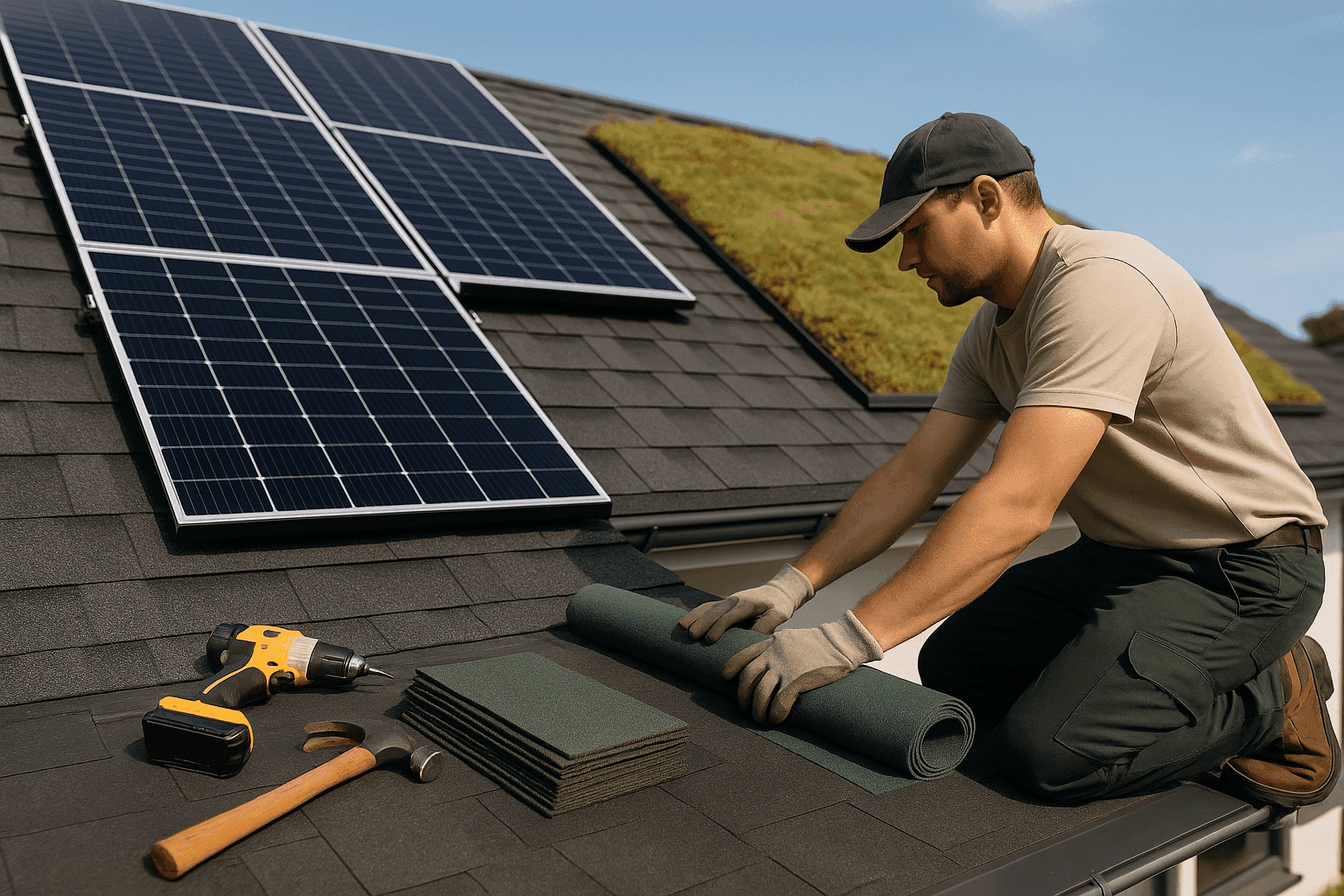
Choosing a roof isn’t just about keeping the rain out. It’s about comfort, savings, and the planet’s future. Whether you’re a homeowner or a small business owner, the roof over your head shapes your day-to-day life—and your energy bills.
At Roofing Cio, we know the right roofing choice can feel overwhelming. There’s a lot at stake. You want something sturdy, stylish, and eco-friendly. We’re here to help you sort through the clutter, spotlighting what really matters.
What Makes a Roofing Material “Eco-Friendly”? 🌱
Eco-friendly roofing isn’t a marketing buzzword. It’s a real commitment to sustainability, energy savings, and long-term value.
Key traits of eco-friendly roofing materials:
- Sustainability: Made from renewable or recycled materials, or designed for long life.
- Energy Efficiency: Reflects sunlight, reduces heat absorption, and can lower cooling costs.
- Recyclability: Can be reused or recycled at the end of its life, keeping waste out of landfills.
- Low Environmental Impact: Produced with minimal pollution and resource use.
Think of your roof like a shield. A good one protects your home and the environment at the same time.
Types of Eco-Friendly Roofing Materials
There’s no single “green” roof. Your options are as varied as the homes and businesses they cover. Here are some of the most popular choices—and how they stack up.
Metal Roofing
Metal roofs are the workhorses of eco-friendly roofing. Made from steel, aluminum, or copper—often containing recycled content—they last for decades and can be recycled again when replaced.
Pros:
- Extremely durable (40–70 years).
- Highly reflective, which can reduce cooling costs.
- Lightweight, reducing structural strain.
- Fire resistant.
Cons:
- Higher upfront cost than asphalt shingles.
- Can be noisy during heavy rain without proper insulation.
Typical Costs: Metal roofing can run from moderate to high, depending on the metal and finish. But its long lifespan often balances the investment.
Recycled Shingles
Recycled shingles are made from reclaimed materials like rubber, plastic, or wood fiber. They look similar to traditional shingles but come with a lighter footprint.
Pros:
- Diverts waste from landfills.
- Mimics the look of wood or slate.
- Resistant to cracking and fading.
Cons:
- Quality and durability can vary by manufacturer.
- May not be accepted by all building codes—always check first.
Typical Costs: Usually similar to mid-range asphalt or wood shingles.
Cool Roofing Coatings
Cool roof coatings are like sunscreen for your building. These reflective coatings, applied to existing roofs, bounce sunlight away and help interiors stay cooler.
Pros:
- Reduces energy use by reflecting sunlight.
- Can extend the life of older roofs.
- Quick installation.
Cons:
- Not a full replacement for a worn-out roof.
- Needs reapplication every few years.
Typical Costs: Lower than a full roof replacement, but varies by roof size and condition.
Other Sustainable Options
- Clay and Concrete Tiles: Natural materials, long-lasting, but heavy.
- Green Roofs: Living roofs with plants—excellent for insulation, but require extra support and care.
- Wood Shakes (from certified sources): Renewable, biodegradable, but less fire resistant.
How Eco-Friendly Roofing Saves Energy and Reduces Impact
A roof isn’t just a hat for your building. It’s a thermostat, a shield, and sometimes even a garden.
Here’s how eco-friendly roofs help:
- Lower Cooling Bills: Reflective roofs can cut summer cooling costs by up to 15% (U.S. Department of Energy).
- Reduced Urban Heat: Cool roofs lower the “heat island” effect in cities.
- Better Indoor Comfort: Improved insulation and ventilation mean fewer drafts and more stable temperatures.
- Less Waste: Recyclable and long-lasting materials mean fewer replacements and less landfill waste.
Assessing Your Current Roof for Eco-Friendly Upgrades
Not every roof is ready for a green makeover. Here’s how to size up your situation:
- Roof Age: Older roofs may need replacement instead of retrofitting.
- Structural Strength: Some eco-friendly options (like tile or green roofs) are heavier and need solid support.
- Ventilation & Insulation: Good airflow and insulation boost energy savings and roof life.
- Roof Pitch: Some materials work better on steep or flat roofs—ask your contractor.
Tip: Schedule a professional inspection. A trained eye can spot issues and recommend suitable upgrades. Roofing Cio’s team follows safety guidelines from organizations like the National Roofing Contractors Association (NRCA).
Working with Contractors: What to Look For
Choosing the right contractor is as important as picking the right material. Here’s what to consider:
- Certifications: Look for contractors with manufacturer training or green building credentials.
- Experience: Ask about past eco-friendly projects.
- References: Request photos or testimonials from previous clients.
- Clear Communication: You want someone who listens and explains, not just sells.
Pro tip: Get everything in writing—materials, costs, timelines, and warranties.
Energy Savings: What to Expect
Eco-friendly roofing isn’t just good for the planet—it’s good for your wallet, too.
- Reflective roofs can lower summer energy bills by 7–15%.
- Better insulation means less heat loss in winter.
- Longer lifespan means fewer costly replacements.
Actual savings depend on your building, climate, and energy habits. But the trend is clear: greener roofs lead to greener wallets.
Maintenance Tips for Eco-Friendly Roofs
A sustainable roof is like a garden. It needs care to thrive.
- Regular Inspections: Catch small problems before they grow.
- Gutter Cleaning: Prevents water backup and roof damage.
- Check Seals and Flashing: Especially after storms.
- Reapply Coatings: As recommended by the manufacturer.
Routine maintenance can double the life of your roof—and protect your investment.
Costs and Time Factors
Eco-friendly roofs come in all price ranges. Here’s what affects cost and timing:
- Material Choice: Metal and green roofs cost more upfront, but last longer.
- Roof Size and Complexity: Bigger or steeper roofs take more time and materials.
- Labor: Skilled installation is crucial—don’t cut corners here.
- Weather Delays: Rain or snow can push back schedules.
Ballpark: Installation can take a few days to a few weeks, depending on the project.
When It’s an Emergency
Sometimes, you can’t wait. Severe leaks, storm damage, or structural issues demand immediate action.
Emergency roofing services focus on:
- Stopping active leaks fast.
- Securing loose materials.
- Temporary patching until a full repair or replacement is possible.
If your roof is compromised, don’t risk safety. Call for emergency help right away.
Quick Safety Checklist
- Stay off the roof if it’s wet, icy, or damaged.
- Watch for loose shingles, tiles, or metal panels.
- Check your attic for leaks or daylight.
- Keep gutters and downspouts clear.
- If in doubt, call a professional.
DIY vs. Professional Installation
Some eco-friendly upgrades (like gutter cleaning or basic coatings) are DIY-friendly. But most roofing work is best left to trained pros.
Why? Because roofs are high, steep, and dangerous. Mistakes can lead to leaks, wasted money, or even injury.
When to DIY:
- Cleaning gutters.
- Minor caulking or touch-ups.
When to call Roofing Cio:
- Full roof replacement or installation.
- Structural repairs.
- Emergency roofing needs.
- Complex coatings or insulation upgrades.
What Pros Do On Arrival
When you hire Roofing Cio, here’s what to expect:
- Thorough Inspection: We check structure, ventilation, insulation, and existing materials.
- Detailed Assessment: You’ll get honest feedback on what’s needed—and what isn’t.
- Material Recommendations: Based on your goals and budget.
- Safe, Professional Installation: Following industry best practices and safety codes.
We’re committed to doing it right, every time.
Prevention & Maintenance for a Greener Roof
The best way to keep your eco-friendly roof performing? Prevent problems before they start.
- Schedule annual inspections.
- Clean gutters and downspouts regularly.
- Watch for signs of wear after storms.
- Address small leaks or cracks right away.
A little attention goes a long way. Think of it as a health check for your building.
Special Considerations for Eco-Friendly Roofing
Every building is unique. Here are a few extra things to keep in mind:
- Building Codes: Some areas have rules about roofing materials—always check before starting.
- Fire Ratings: Especially important for wood or green roofs.
- Solar Compatibility: Planning to add solar panels? Make sure your roof can handle them.
- Storm Resistance: Choose materials rated for high winds or hail if weather is a concern.
Consult resources like the International Code Council (ICC) and Energy Star for guidance.
FAQ: Eco-Friendly Roofing
Q: Are eco-friendly roofs more expensive?
A: Upfront costs can be higher, but savings on energy and fewer replacements often balance it out.
Q: Can I add eco-friendly features to my existing roof?
A: Sometimes—cool coatings and improved insulation are easy upgrades. Full material swaps may require replacement.
Q: How long do eco-friendly roofs last?
A: Metal roofs can last 40–70 years; recycled shingles 20–50; coatings need reapplication every few years.
Q: Do green roofs require special care?
A: Yes—living roofs need regular watering, weeding, and structural support.
Ready to Make Your Roof Greener?
Choosing eco-friendly roofing materials is a smart move for your home, your wallet, and the planet. Whether it’s metal, recycled shingles, or a cool roof coating, Roofing Cio can help you find the best fit for your needs.
Call Roofing Cio now — or reach us anytime at 877-748-7050 .