The Ultimate Guide to Roof Flashing Repair: Protect Your Home from Water Damage
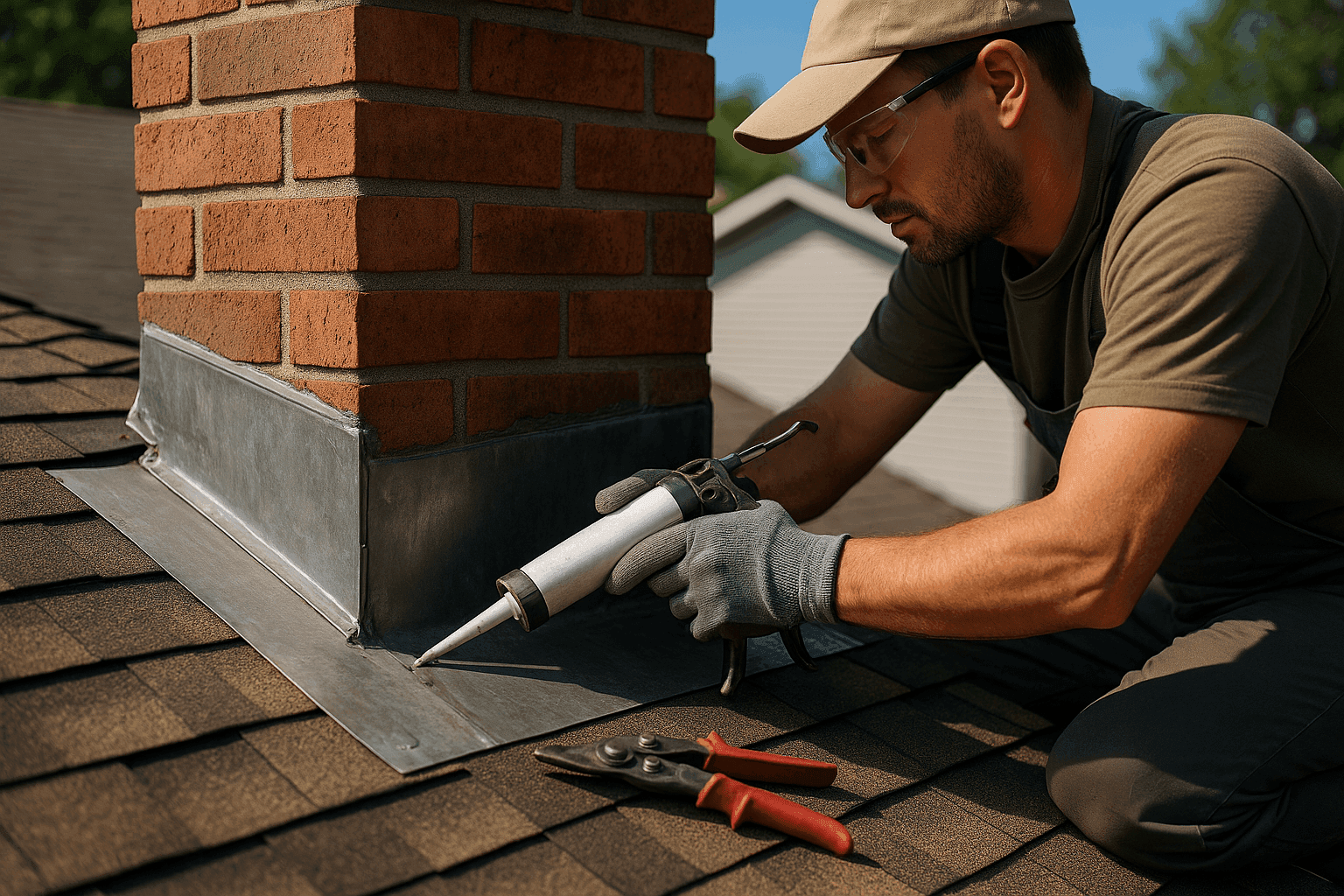
When the rain starts falling, your roof's flashing is the unsung hero standing between you and a soggy disaster. Most homeowners and business owners never think twice about it—until water stains creep across the ceiling or drip, drip, drip keeps you up at night.
At Roofing Cio, we know how quickly a minor flashing issue can spiral into a costly emergency. That's why we've put together this guide: to help you spot trouble early, stay safe, and know when to call in the pros for emergency roofing help.
What Is Roof Flashing, and Why Does It Matter?
Think of roof flashing as the armor plating at your roof’s most vulnerable spots. It’s the thin metal (usually aluminum, galvanized steel, or copper) that seals gaps around chimneys, skylights, vents, and joints where water loves to sneak in. Without flashing, even the best roof would be a leaky sieve.
Flashing directs water away from seams and edges, channeling it safely into gutters and downspouts. When it fails, water finds a way. The result? Damaged insulation, rotten wood, mold, and even structural headaches.
Common Signs Your Roof Flashing Needs Attention 🕵️
Flashing doesn’t last forever. Here’s how to spot the warning signs before a drip becomes a deluge:
- Water stains or leaks inside—especially near chimneys, skylights, or walls.
- Rust, corrosion, or holes in the metal flashing.
- Cracked, dried, or missing sealant around flashing edges.
- Loose, bent, or missing flashing after storms or high winds.
- Visible gaps where flashing meets the roof or wall.
If you notice any of these, it’s time to act. Waiting can turn a small problem into a full-blown emergency.
Quick Safety Checklist for Inspecting Roof Flashing
Before you grab a ladder, safety comes first. Roof work is risky—one misstep and you could end up in the ER. Here’s a quick safety rundown:
- Check the weather: only inspect your roof when it’s dry and calm.
- Wear non-slip shoes and gloves.
- Use a sturdy, properly set ladder—never lean or overreach.
- If your roof is steep, high, or slippery, stay off it and call a professional.
- Have someone nearby in case you need help.
The Occupational Safety and Health Administration (OSHA) recommends using fall protection for any work over six feet off the ground. Your safety matters more than anything else.
How to Inspect Roof Flashing: Step-by-Step
Ready to take a closer look? Here’s how to spot trouble without risking your neck:
- Walk the perimeter of your home or building. Look up at the roof edges, valleys, chimneys, skylights, and vents.
- Use binoculars for a close-up view if you can’t get on the roof safely.
- Check for rust, gaps, or missing sections of metal.
- Look for cracked, peeling, or missing sealant along the flashing edges.
- Inspect inside your attic or top floor for water stains, damp insulation, or moldy smells.
If anything looks off, snap photos. They’ll help you or your roofing contractor pinpoint the issue.
DIY Roof Flashing Repair vs. Calling a Professional
Some minor flashing fixes are within reach for handy homeowners. But many repairs—especially on steep, high, or complex roofs—are best left to trained crews.
DIY-friendly repairs:
- Replacing a small bead of cracked sealant with roofing caulk.
- Tightening a loose flashing nail or screw.
- Cleaning debris from around flashing.
Call a pro for:
- Replacing large sections of damaged flashing.
- Repairs near chimneys, skylights, or high rooflines.
- Signs of widespread leaks, rot, or mold.
Remember, improper repairs can make things worse. Water is sneaky—it finds the smallest gaps.
What Roofing Cio Pros Do When They Arrive
When you call Roofing Cio for emergency roofing or flashing repair, here’s what to expect:
- Thorough inspection: We assess all flashing, not just the obvious trouble spots.
- Documentation: Photos and notes help track the problem and explain your options.
- Temporary leak control: If water is pouring in, we’ll stop it fast.
- Flashing repair or replacement: Depending on the damage, we’ll clean, reseal, or swap out sections of flashing using high-quality materials.
- Sealant application: We use weatherproof, code-approved sealants for a tight, lasting bond.
- Final check: We test for leaks and tidy up the work area.
Our crews follow industry standards from organizations like the National Roofing Contractors Association (NRCA) and International Building Code (IBC) to keep your property safe and dry.
Preventative Maintenance to Extend Flashing Lifespan 🛡️
An ounce of prevention is worth a pound of buckets. Here’s how to keep your flashing in top shape year-round:
Seasonal Checklist:
- Inspect flashing every spring and fall, plus after major storms.
- Clear leaves, twigs, and debris from roof valleys and gutters.
- Check sealant for cracks or peeling and touch up as needed.
- Trim back tree branches that could scrape or dislodge flashing.
- Schedule a professional inspection every few years, or sooner if you notice issues.
Routine maintenance can add years to your roof’s life and save you from emergency repairs.
Costs & Time Factors: What to Expect
Roof flashing repair costs depend on the size of the job, materials needed, and roof accessibility. Here’s a rough guide:
- Minor sealant touch-ups: Usually quick and affordable.
- Partial flashing replacement: More involved—may require removing shingles or tiles.
- Full flashing replacement: Most expensive, but sometimes necessary for older or heavily damaged roofs.
Labor is a big factor. Steep or complex roofs take longer and cost more. Emergency calls after hours may also add to the bill.
On average, simple repairs can be done in a couple of hours. Larger jobs may take a day or more.
When Is Roof Flashing Repair an Emergency? 🚨
Certain flashing problems can’t wait:
- Active leaks during rain or snow.
- Water dripping near electrical fixtures or appliances.
- Flashing torn off by wind, leaving open gaps.
- Widespread water stains or sagging ceilings.
If water is entering your home or business, call for emergency roofing help right away. Quick action can prevent bigger, costlier damage.
Roof Flashing Repair FAQ
How long does roof flashing last?
Most metal flashing lasts 15–30 years, depending on material, weather exposure, and maintenance. Sealant may need touch-ups every few years.
Can I use caulk to fix flashing leaks?
Roofing caulk or sealant can temporarily patch small gaps or cracks. For larger or recurring leaks, professional repair or replacement is best.
What’s the difference between step flashing and continuous flashing?
Step flashing is used along roof-to-wall joints and installed in overlapping pieces. Continuous flashing is a single long piece, often used along eaves or valleys. Both need to be watertight.
Is flashing repair covered by insurance?
Insurance may cover flashing repairs if the damage was caused by a covered event (like a storm). Regular wear and tear usually isn’t covered. Check your policy or talk to your agent.
Special Considerations for Roof Flashing Repair
- Eco-friendly options: Ask about recycled metal flashing or low-VOC sealants.
- Historic properties: Special materials or techniques may be needed to preserve appearance.
- Flat roofs: Flashing details differ from pitched roofs—professional installation is key.
- Chimney and skylight flashing: These areas are especially leak-prone and may require custom solutions.
At Roofing Cio, we handle all types of flashing—on shingle, metal, tile, and flat roofs. Our team is trained in the latest safety and building code requirements, so your repair is done right.
Call Roofing Cio now — or reach us anytime at 877-748-7050 .